
Build Your Platform
Every platform has unique business requirements, participant experiences, and operational workflows.
Rather than prescribing a single implementation model, Commerce Hub for Platforms enables you to combine capabilities to support the experience you want to deliver.
This guide helps you understand how platform capabilities can be combined to support common platform journeys and business objectives.
Understanding Platform Roles
Before designing your platform experience, it is helpful to understand the primary roles involved in a platform ecosystem.
| Role | Role Description |
|---|---|
| Platform Owner | The organization that operates the platform, manages participant relationships, facilitates transactions, oversees platform operations, and defines the experiences delivered through the platform. |
| Participant | An individual or business that interacts within the platform ecosystem. Depending on the platform model, participants may represent buyers, sellers, merchants, contractors, service providers, hosts, guests, gig workers, vendors, or other entities involved in platform activities and transactions. |
These participant types are examples only. Your platform may support additional participant models depending on your business requirements.
Designing Your Platform
When planning your platform, start by identifying three key questions:
Who participates?
Determine the participants that interact within your platform ecosystem.
Typical participants include:
- Buyers
- Sellers
- Merchants
- Contractors
- Service providers
- Hosts
- Guests
- Gig workers
- Vendors
How does money move?
Consider how funds enter, move through, and leave your platform.
Questions to consider:
- How do buyers pay?
- How are funds distributed?
- When do sellers receive payouts?
- Will participants maintain balances or accounts?
What operational visibility is required?
Determine how you will monitor activity across your platform.
Examples include:
- Participant activity
- Transaction performance
- Funds movement
- Payout activity
Building Your Capability Stack
Commerce Hub for Platforms capabilities can be combined to support different platform requirements.
The following examples illustrate common capability combinations.
Participant Onboarding and Management
Enable businesses to join and participate in your platform.

Typical Goals
- Onboard sellers
- Verify seller information
- Manage seller access
- Support seller lifecycle management
Seller Payout Experience
Enable sellers to receive funds from platform transactions.

Typical Goals
- Onboard sellers
- Enable payout eligibility
- Distribute funds
- Manage payout operations
Payment Collection and Distribution
Accept payments and control how funds are distributed.
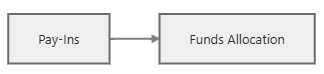
Typical Goals
- Accept buyer payments
- Configure platform fees
- Allocate seller proceeds
- Manage funds distribution
Wallet and Account Experiences
Provide participants with account-based experiences and balance management capabilities.

Typical Goals
- Manage account balances
- Enable wallet experiences
- Support stored value use cases
- Deliver participant financial experiences
End-to-End Platform Experience
Combine capabilities to support the complete platform lifecycle.
Typical Goals
- Onboard participants
- Accept payments
- Allocate funds
- Manage balances/wallets
- Distribute payouts
- Monitor platform operations
Choosing Your Starting Point
Not every platform requires every capability. Some platforms begin with seller onboarding and payouts, while others start with payment processing and expand into fund management or account experiences.
Consider the following approach:
- Start with the capabilities required for launch - Focus on the functionality needed to support your initial platform experience.
- Expand as your platform grows - Additional capabilities can be enabled as operational, financial, and participant requirements evolve.
- Optimize participant experiences over time - Different capabilities may support different experiences for sellers, buyers, and platform operators.
Next Steps
After determining the capabilities required for your platform:
- Review Platform Capabilities to understand available services.
- Review Integration Approaches to determine how capabilities should be implemented.
- Explore capability-specific guides for implementation details.
- Begin designing your platform workflows and participant journeys.